

Why Eye Health Matters: Early Detection and Routine Optometry
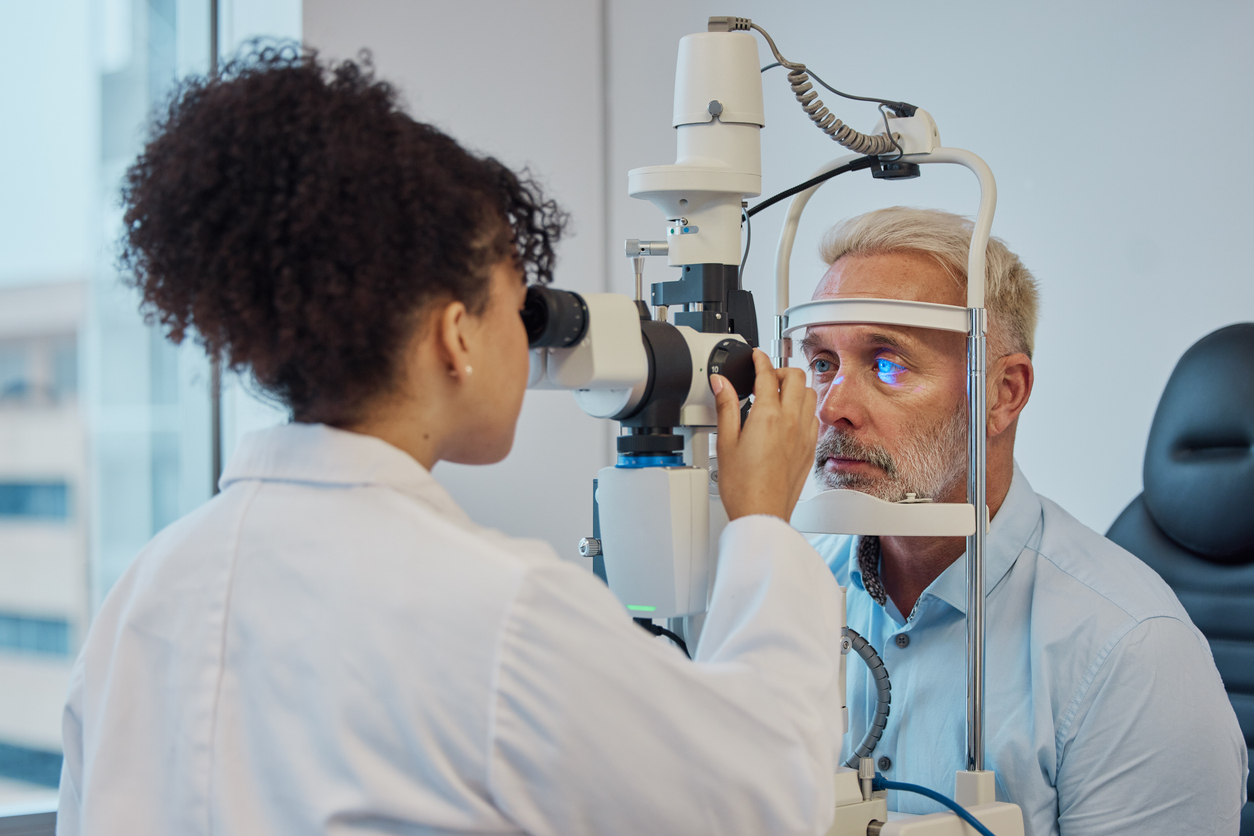
Regular eye exams catch vision changes early and can reveal health conditions before they become serious. At Lac Vieux Desert Health Center in Watersmeet, our local optometry services help protect both your vision and your overall health.
Vision problems often develop slowly. Adults may blame blurry vision or headaches on aging. Children may not realize their vision is different from others. Many serious eye diseases show no symptoms until vision loss has already occurred.
Routine eye exams are the most reliable way to find problems early, when treatment works best.
In our community, clear vision is essential. Outdoor work, driving rough roads, and long days in the sun are part of everyday life. Healthy vision supports safety, independence, and quality of life.
What Optometry Care at LVDHC Involves
LVDHC’s Optometry Care department offers full scope eye care for men, women, and children.
- Comprehensive eye exams tailored to your age and vision needs
- Vision correction with eyeglasses and contact lenses
- Matching you with frames and lenses that fit your lifestyle and budget
- Adjustments and minor optical repairs right in our clinic
- Personalized advice on eye health and vision goals
Our experienced and friendly optical team is trained to assist you with selecting frames and lenses that enhance your vision and comfort. They take time to understand your lifestyle, work demands, hobbies, and visual preferences before recommending solutions.
Why Early Detection Matters
Many eye diseases begin without pain or obvious symptoms. That is why people often delay care until vision loss is more advanced.
Early detection through regular exams protects your vision and can detect health issues before they become serious.
Here are a few reasons why early detection matters:
- Silent eye diseases often show no symptoms until damage is done
- Glaucoma can slowly steal peripheral vision before you notice it
- Cataracts can cloud vision over time and affect night driving and reading
- Diabetic retinopathy is a leading cause of vision loss but is highly preventable with early diagnosis
- Age-related macular degeneration impacts central vision and daily tasks like reading
Early detection gives your eye care provider the best chance to treat or slow disease progression. In many cases, early care prevents irreversible vision loss.
What to Expect During an Eye Exam
A comprehensive eye exam does more than determine if you need glasses. It allows your provider to evaluate the health of the entire eye and track changes over time.
During a comprehensive exam, your optometrist will:
- Ask about vision concerns, symptoms, and medical and family history
- Check how well your eyes focus and work together
- Measure visual acuity and prescription needs
- Evaluate the retina, optic nerve, and blood vessels inside the eye
- Look for glaucoma, macular degeneration, and retinal changes
- Monitor eye pressure and signs of systemic conditions such as diabetes or high blood pressure
The eye’s internal structures provide a unique view into vascular and nerve health. Eye exams can sometimes reveal early signs of systemic health conditions before other symptoms appear.
Who Should Get Eye Exams and When
Eye exams should be part of your health care routine at every age. Vision needs and risks change throughout life, and routine checkups help keep pace with those changes.
General recommendations include:
- Children – early exams help identify problems that affect learning
- School-age children – annual exams keep prescriptions current
- Adults with no symptoms – periodic exams track subtle changes
- Adults over age 40 – risk for eye disease increases with age
- People with diabetes or chronic health conditions
If you wear glasses or contacts, update your prescription as recommended. Even if your vision seems fine, routine exams detect changes early.
What to Expect at Your Visit
Your optometry visit at LVDHC is welcoming and tailored to your needs. To make the most of your appointment:
- Bring your current glasses or contact lenses
- List any vision changes or symptoms you have noticed
- Note any family history of eye disease
- Share your overall health history and medications
Our team will work with your schedule to make your visit efficient and informative. If you have insurance questions prior to your appointment, our staff is available to help review coverage.