

Cyclosporiasis Outbreak in Michigan: Symptoms and Ways to Reduce Your Risk
Cyclosporiasis cases have increased across Michigan and other parts of the United States. Because the illness can cause prolonged digestive symptoms, it is important to understand how it spreads, what symptoms to watch for and how to reduce your risk.
As of July 13, 2026, the Michigan Department of Health and Human Services reported 2,640 cases in the state. Early findings suggest lettuce or salad greens may be a possible source, but health officials have not identified a specific product, grower or supplier. The investigation remains ongoing, and recommendations may change as more information becomes available.
At Lac Vieux Desert Health Center, we encourage community members to stay informed, practice safe food handling and contact a healthcare provider if concerning symptoms develop.
What Is Cyclosporiasis?
Cyclosporiasis is an intestinal illness caused by a microscopic parasite called Cyclospora cayetanensis. People can become infected after consuming food or water contaminated with the parasite.
Cyclospora is not usually spread directly from one person to another. The parasite must spend time in the environment before it becomes infectious, which is why outbreaks are more commonly associated with contaminated food or water.
In the United States, previous outbreaks have been connected to different types of fresh produce, including leafy greens, raspberries, basil, cilantro, snow peas and salad mixes. Cooking food thoroughly can kill the parasite.
Current Cyclosporiasis Outbreak in Michigan
Michigan health officials are investigating a significant increase in cyclosporiasis cases. Although the largest increase has occurred in Southeast Michigan, residents throughout the state should be aware of the outbreak and follow current food safety guidance.
Preliminary investigation findings have identified lettuce and salad greens as possible sources. However, other foods have not been ruled out, and no specific brand, supplier or farm has been confirmed as the cause.
The CDC is also investigating a larger multistate outbreak involving Michigan, Ohio, Kentucky and West Virginia, along with additional groups of illnesses in other areas of the country.
Because the investigation is still developing, community members should continue checking official public health updates rather than relying on unconfirmed reports shared online.
Common Symptoms of Cyclosporiasis
Symptoms usually begin about one week after exposure, although they may appear anywhere from two days to two weeks or longer after consuming contaminated food or water.
The most common symptom is frequent watery diarrhea. Other symptoms may include:
- Loss of appetite
- Unintentional weight loss
- Stomach cramps
- Bloating or increased gas
- Nausea
- Fatigue
- Low-grade fever
- Vomiting, although this is less common
Without treatment, symptoms may last for several weeks or longer. Symptoms can also improve and then return.
When to Contact a Healthcare Provider
Contact a healthcare provider if you experience watery diarrhea that lasts more than a few days, especially when it occurs with fatigue, loss of appetite, weight loss or stomach discomfort.
Routine stool testing may not automatically check for Cyclospora. Your healthcare provider may need to specifically request testing for the parasite, and more than one stool sample may sometimes be needed.
It is also important to drink fluids to prevent dehydration. Seek prompt medical attention if you cannot keep fluids down, show signs of severe dehydration or experience worsening symptoms.
Older adults, young children and people with weakened immune systems should be especially cautious about prolonged diarrhea and dehydration.
How Is Cyclosporiasis Treated?
Cyclosporiasis can be treated with a prescription antibiotic. A healthcare provider can determine whether testing and treatment are appropriate based on your symptoms, medical history and possible exposure.
People who are sick should also rest and drink plenty of fluids. Do not take leftover antibiotics or medication prescribed to another person. Your provider should select the appropriate treatment for your individual needs.
Ways to Reduce Your Risk of Cyclosporiasis
There is no single food preparation step that can completely remove every risk. However, careful food selection, cleaning and cooking can reduce the chance of exposure.
- Choose and Prepare Lettuce Carefully
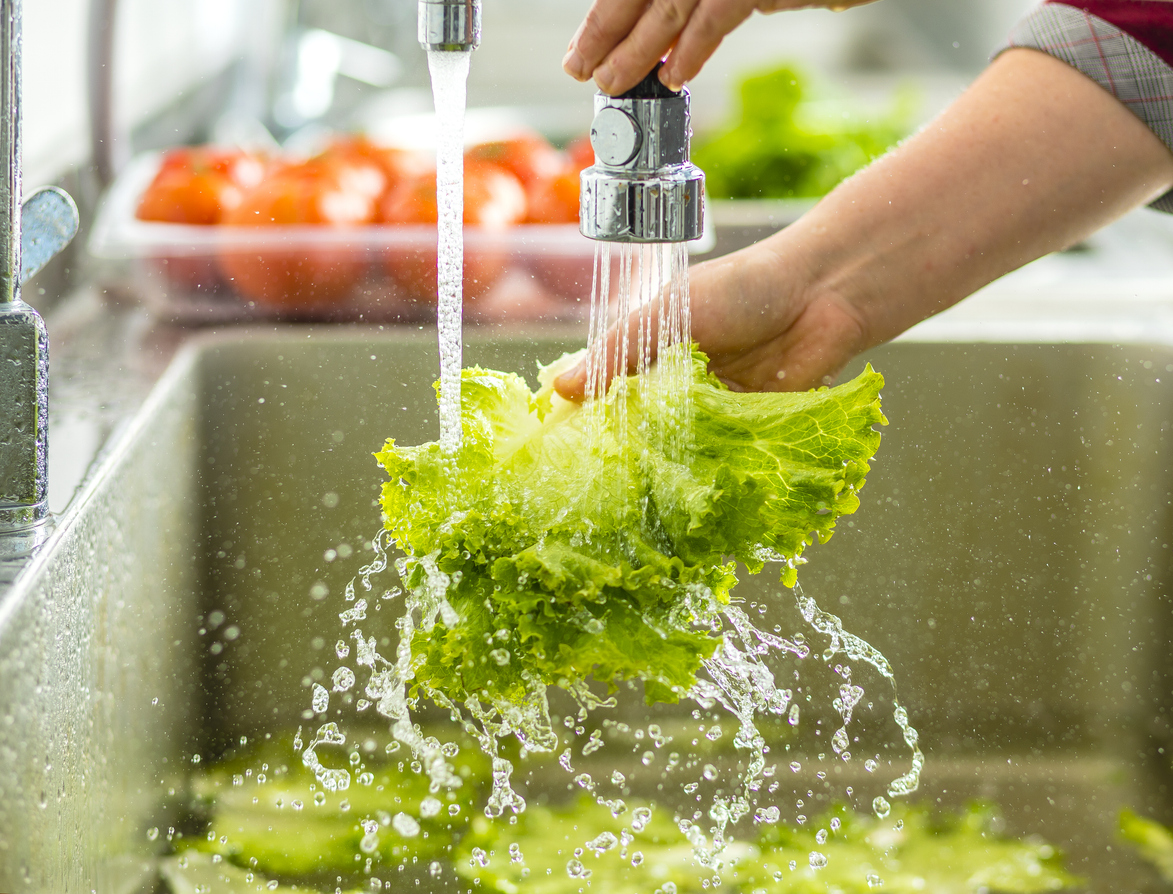
During the current Michigan outbreak, MDHHS recommends choosing whole heads of lettuce instead of prewashed bagged lettuce or salad mixes when possible.
Remove and discard the outer two or three layers of leaves. Separate the remaining leaves and wash them thoroughly under running water. Cooking leafy greens is the safest preparation option when the food can be cooked.
- Wash Fresh Produce Under Running Water
Wash fruits, vegetables and herbs before eating, cutting or cooking them, even when the package says the produce has been prewashed.
Do not wash produce with soap, bleach or household cleaning products. Use clean running water and gently rub firm produce with your hands.
Fresh herbs such as basil and cilantro should be separated and washed thoroughly. Green onions should have the root end and outer layer removed before washing. Snow peas should be rubbed under running water.
- Use Extra Care With Raspberries
Raspberries can be difficult to clean because the parasite may remain in the fruit’s small crevices. Michigan health officials recommend cooking raspberries when possible, such as when making jams or baked foods.
Frozen raspberries may be considered as an alternative, but freezing does not guarantee that the parasite has been eliminated.
- Cook Foods When Possible
Cooking is one of the most reliable ways to kill Cyclospora. Consider using cooked vegetables instead of raw produce while the outbreak is being investigated, especially for people who may be more vulnerable to illness.
- Keep Hands and Kitchen Surfaces Clean
Wash your hands with soap and water before preparing food, before eating and after using the bathroom.
Clean knives, cutting boards, countertops, bowls and other utensils after they touch raw produce. Keep washed produce separate from unwashed food and raw meat to reduce cross-contamination.
- Follow Food Recalls and Public Health Updates
The source of the outbreak has not yet been confirmed. Continue following updates from the CDC, MDHHS and local health officials for information about possible food recalls or changes to safety recommendations.
Protecting Your Health During the Outbreak
Fresh fruits and vegetables remain an important part of a balanced diet. The current outbreak does not mean that everyone should stop eating produce. Instead, focus on careful food handling, choose cooked options when practical and stay informed about changing public health recommendations.
If you develop ongoing watery diarrhea or other symptoms of cyclosporiasis, contact your healthcare provider. Be prepared to share when your symptoms began, any recent travel and the foods you ate during the two weeks before becoming sick.
Lac Vieux Desert Health Center is committed to helping patients and families protect their health. To discuss symptoms or request an appointment, contact LVDHC in Watersmeet.