

The Best Kinds of Sunscreen for Adults and Children
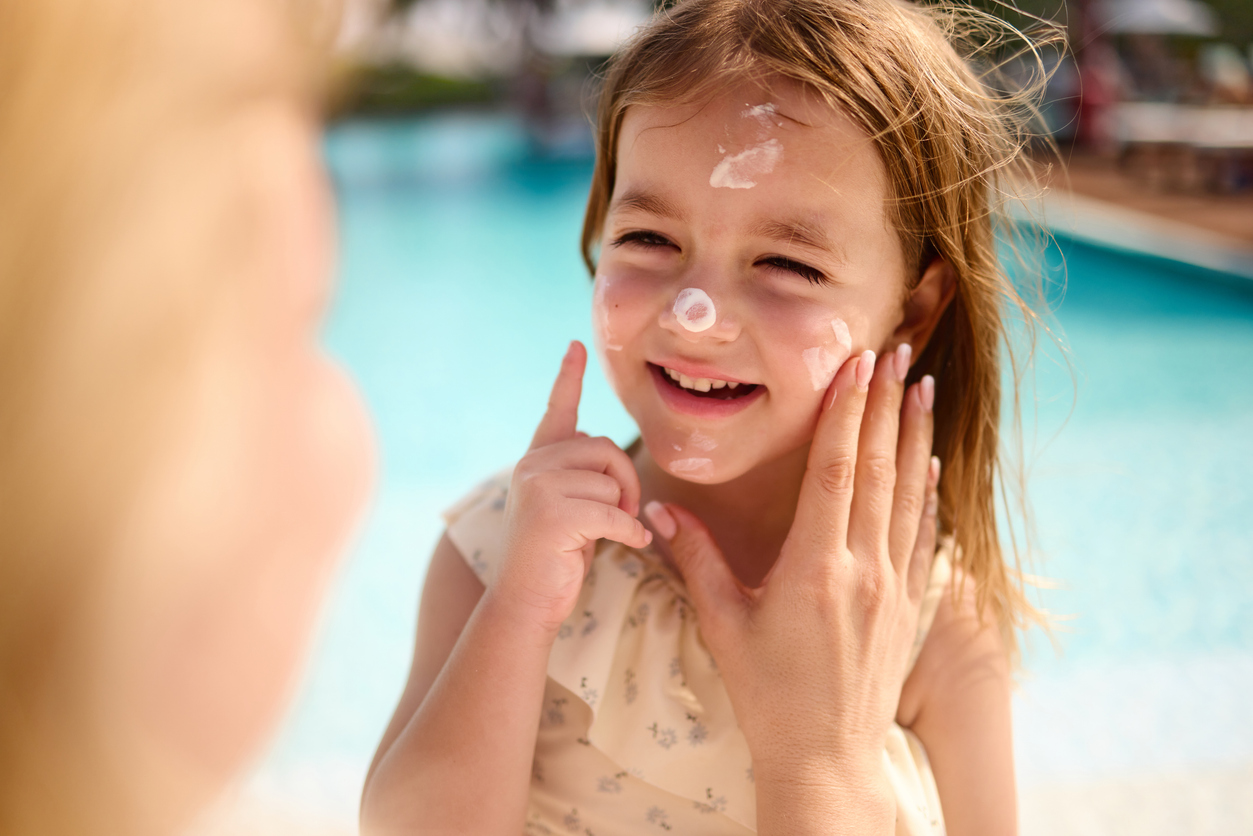
Spending time outdoors is a great way for families to stay active and enjoy the warmer months in Watersmeet and throughout the Northwoods. Whether you are visiting a lake, going for a walk or spending time in the yard, sunscreen can help protect your skin from harmful ultraviolet rays.
With so many different products available, choosing the right sunscreen can sometimes be confusing. Understanding SPF, ingredients and application methods can help you find an option that works well for you and your family.
At Lac Vieux Desert Health Center, we encourage patients and community members to make sun protection part of their regular health routine.
What to Look for in Sunscreen
When choosing a sunscreen, look for a product that offers:
- Broad-spectrum protection
- SPF 30 or higher
- Water resistance when swimming or sweating
Broad-spectrum sunscreen helps protect against both UVA and UVB rays. UVA rays can contribute to premature skin aging, while UVB rays are a main cause of sunburn.
Water-resistant sunscreen is helpful for swimming, sports and other outdoor activities. However, no sunscreen is completely waterproof. Check the label to see whether the product provides 40 or 80 minutes of water resistance.
Mineral Sunscreen
Mineral sunscreen uses zinc oxide, titanium dioxide or a combination of both. These ingredients form a protective layer on the skin.
Mineral sunscreen can be a good choice for:
- Babies and children
- People with sensitive skin
- People who experience irritation from other sunscreens
- Use around the face and eyes
Some mineral sunscreens may leave a white layer on the skin. Tinted products or newer formulas may blend in more easily.
Mineral sunscreen is often recommended for children and sensitive skin because zinc oxide and titanium dioxide are less likely to cause irritation. However, the best sunscreen is one that feels comfortable and is used regularly.
Chemical Sunscreen
Chemical sunscreens use ingredients that absorb ultraviolet rays before they can damage the skin. These products are often lightweight, easy to spread and less likely to leave a visible residue.
Chemical sunscreen may work well for:
- Everyday facial use
- Wearing under makeup
- Covering large areas of the body
- Adults and older children who prefer a lighter product
Both mineral and chemical sunscreens can provide good protection when they are broad spectrum, have an SPF of at least 30 and are applied correctly.
People with sensitive skin may want to test a small amount of a new sunscreen before using it over a larger area. Stop using a product if it causes lasting redness, itching, swelling or a rash.
Choosing Sunscreen for Children
For children 6 months and older, choose a broad-spectrum, water-resistant sunscreen with an SPF of 30 or higher. Mineral sunscreens containing zinc oxide or titanium dioxide are often a good starting point, especially for children with sensitive skin.
Fragrance-free products may also be helpful for children who are prone to skin irritation.
Babies younger than 6 months should be kept out of direct sunlight whenever possible. Parents can use shade, lightweight clothing and a wide-brimmed hat to protect exposed skin. When shade and protective clothing are not available, a small amount of sunscreen may be used on limited areas such as the face or backs of the hands. Parents can also speak with their child’s health care provider about sun protection for young infants.
Lotion, Spray or Stick Sunscreen?
Sunscreen comes in several forms. The right option often depends on where it will be used and what your family finds easiest to apply.
Lotions and creams make it easier to see whether the skin has been fully covered. They are a good choice for most areas of the body.
Sunscreen sticks can be useful for the face, nose, ears and other small areas. After applying a stick, gently rub the sunscreen into the skin to help provide even coverage.
Spray sunscreen can be convenient, but it may be harder to tell whether enough has been applied. Do not spray sunscreen directly onto a child’s face. Spray it into your hands first, then apply it carefully while avoiding the eyes and mouth. Apply sprays in an area with little wind and avoid breathing in the mist.
How to Apply Sunscreen
Apply sunscreen generously to all exposed skin before going outside. Many products recommend applying it about 15 minutes before sun exposure.
Remember areas that are easy to miss, including:
- Ears
- Back of the neck
- Tops of the feet
- Backs of the hands
- Shoulders
- Hairline and exposed scalp
- Lips, using a lip balm with SPF
Reapply sunscreen at least every two hours. Apply it again after swimming, heavy sweating or drying off with a towel.
Other Ways to Protect Your Skin
Sunscreen is only one part of sun protection. Families can also reduce sun exposure by:
- Spending time in the shade
- Wearing lightweight clothing that covers the skin
- Wearing a wide-brimmed hat
- Using sunglasses with UV protection
- Checking the daily UV Index
- Limiting time in direct sunlight during the strongest parts of the day
Sun protection is important for every skin tone. People with darker skin may be less likely to burn quickly, but ultraviolet rays can still damage the skin.
Finding the Right Sunscreen for Your Family
There is no single sunscreen that is best for everyone. Some people prefer a mineral lotion, while others are more likely to use a lightweight chemical sunscreen or a sunscreen stick.
Choose a broad-spectrum product with an SPF of 30 or higher that does not irritate your skin and is easy to reapply. Using sunscreen consistently is more important than choosing a specific brand.
Lac Vieux Desert Health Center provides primary care for patients of all ages. If you have questions about sensitive skin, sunscreen reactions or sun protection for your child, speak with your health care provider. To learn more or request an appointment, contact LVD Health Center.